|
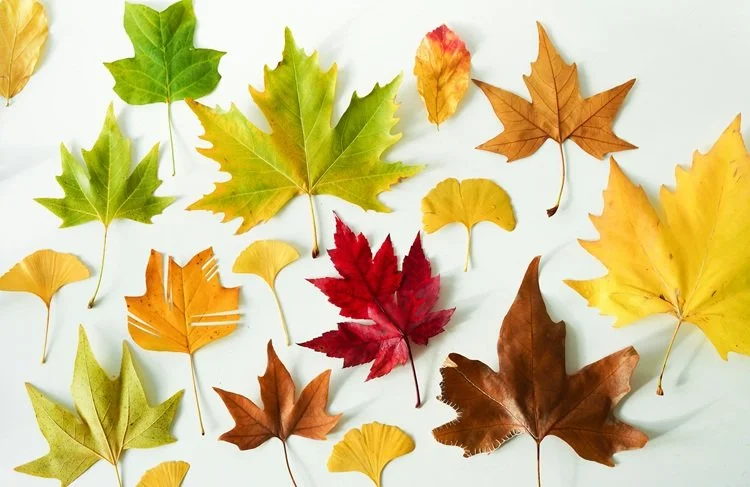
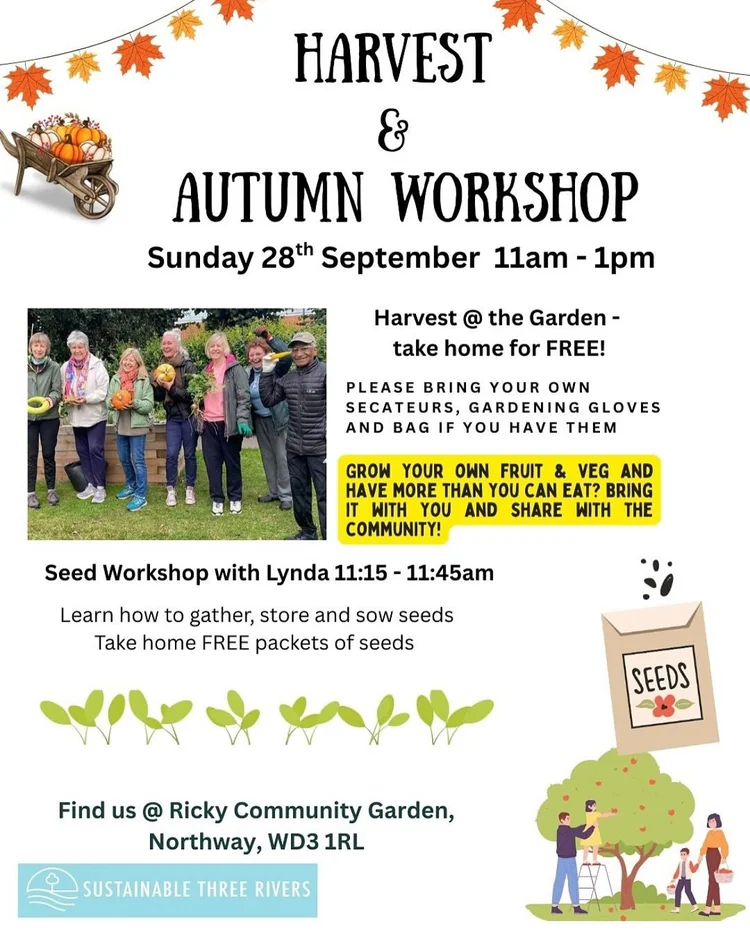
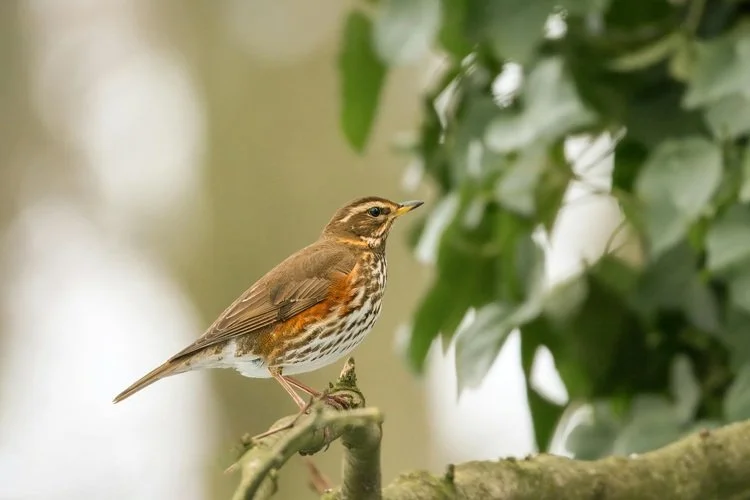
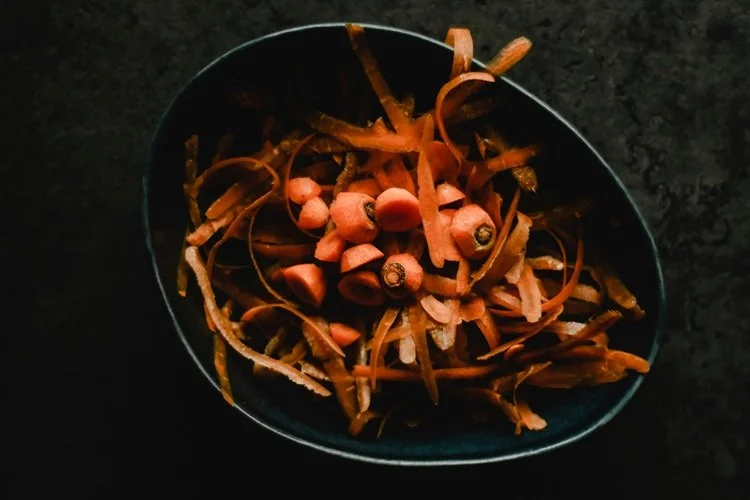
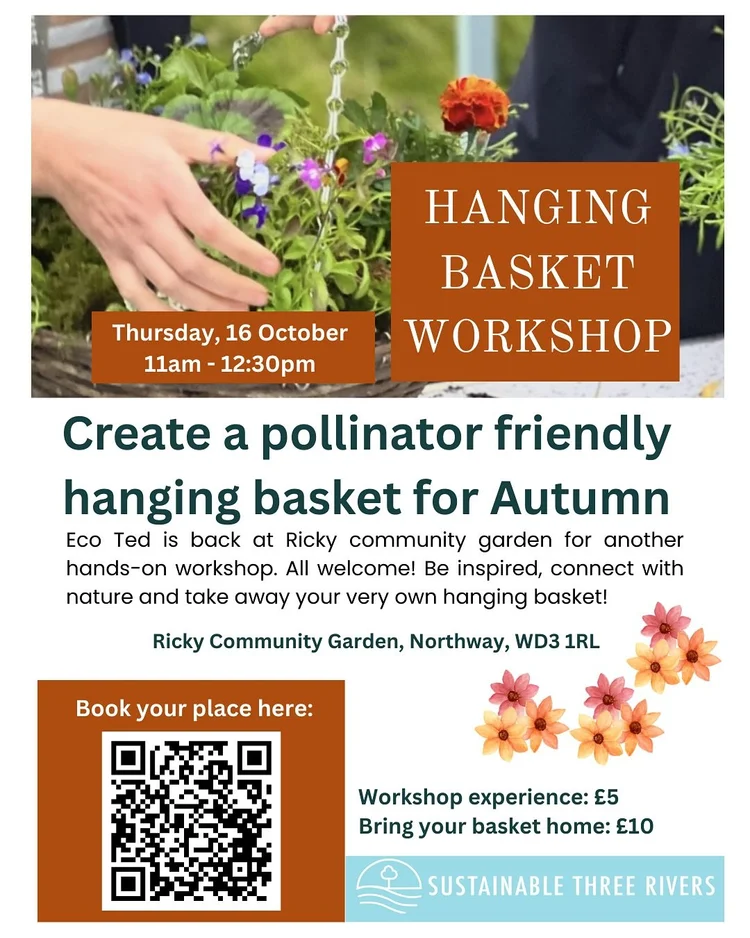
● Make use of fallen leaves. Clear them from lawns, paths etc, then add small amounts to your compost heap and let the rest rot down for leaf mould. Brilliant for your soil! ● Leave some windfalls for birds and insects as decaying apples and other fruit are valuable energy rich food. ● Why not also leave sunflowers and teasels for goldfinches and other seed-eating birds. They will really thank you for doing this. ● Replace your pollinator friendly summer bedding plants in hanging baskets and pots with spring bulbs and autumn/winter interest plants such as pansies, violas, hellebores, ivy and heathers. Replace compost or add a fresh top layer. Why not come along to our hanging basket workshop on Thursday Oct 16 and make your own basket - great fun and you’ll learn so much! See flyer below. ● Divide established rhubarb plants, chopping into decent sized pieces and replanting with added compost. ● Clean bird boxes, using a brush and boiling water. Avoid chemicals. Dry them afterwards. ● Get some garlic going! Choose a sunny site, place individual cloves flat end down with the tip 2.5cm below the surface. Space 15cms apart with 30cms between rows. ● Move houseplants closer to the light, now that light levels are dropping. Keep away from any cold draughts and clean both leaves and windows to allow as much light as possible to get to them. ● Chop up spent vegetables and summer bedding, then add to a compost heap. ● Remember to mulch bare ground with organic matter such as leaf mould and compost, ready for planting next year.
|