

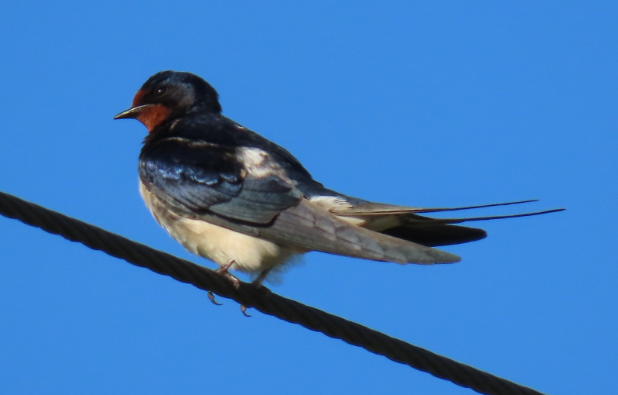
Swallow
Birds to Look Out For in the Three Rivers Area This Spring
Signs of spring have been in evidence since the beginning of the year, with birds singing, buds appearing and snowdrops and other early flowers brightening up our gardens, road verges and woodland floors. We can look forward to the pace of change picking up as we move into the last weeks of March and then the month of April.
April sees the peak time for migration with our winter visitors leaving and a new cast of summer migrants arriving in our area. This change happens quickly, but not all at once, and there is a distinct schedule which governs which birds arrive what time. In this article, we’ll take you through the eight weeks from mid-March to mid-May, by the end of which the whole process will be complete.
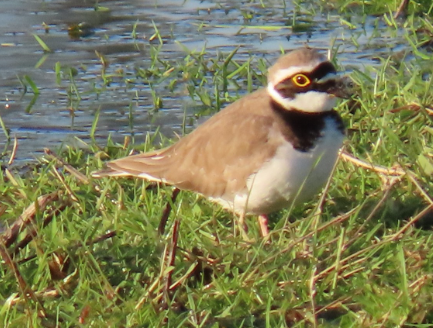
Little Ringed Plover
Last Two Weeks of March
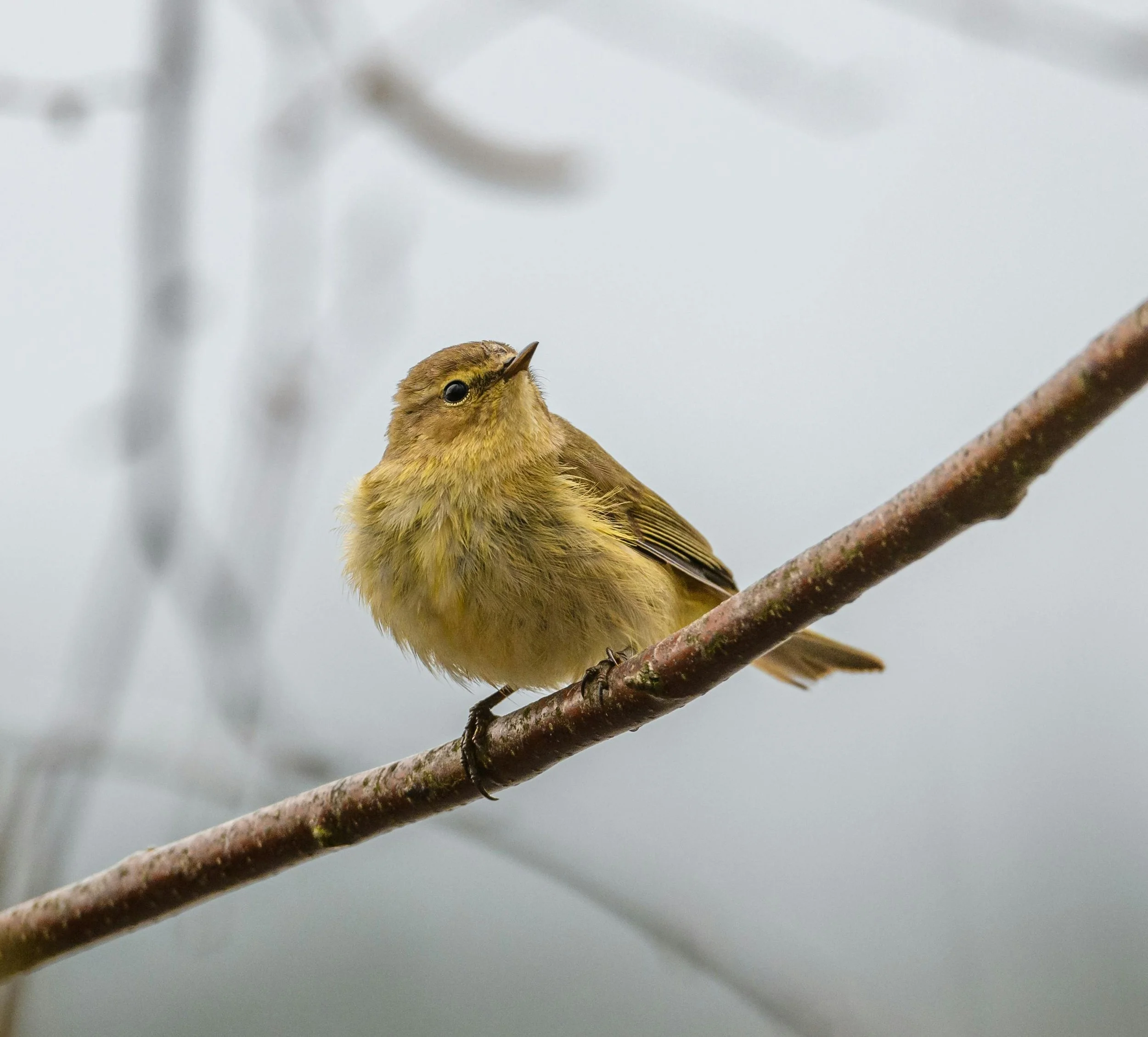
The first migrants to make their presence known are Chiffchaffs. Many of them will have spent the winter here but now we start to hear them singing their names. Other early migrants to look out for include Sand Martins, tiny brown and white swallows which make their way north at this time and sometimes stop off over lakes and ponds en route.
Any fine weather in the final few days of March is likely to see Swallows putting in their first appearance of the year, often around the farm buildings at Stocker’s Farm.
The flooded field at Stocker’s Farm is a good site to keep an eye on throughout the season, as long as some water and mud remains. A pair of Oystercatchers has bred here for some years now, and Lapwings also feature. With a little luck, one or two Little Ringed Plovers will drop in but they seldom stay for long.
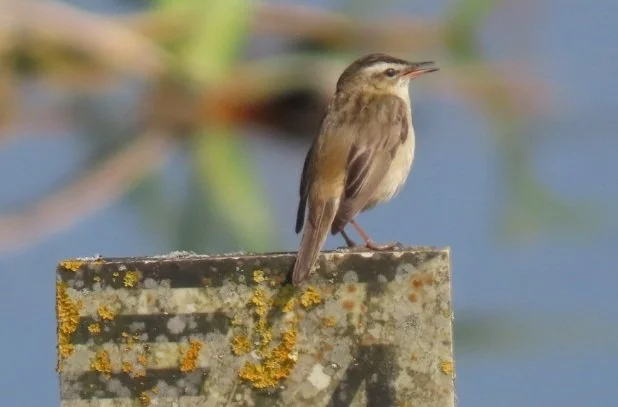
Sedge Warbler
First Two Weeks of April
Numbers of Swallows usually rise quickly in the first few days of April. It’s also a good time to look out for the first Common Terns of the year around Stocker’s Lake. These elegant birds can be seen among the Black-headed Gulls as they prospect for nest sites on the islands which have been provided for them.
Many birds will pass through our area en route to breeding grounds further north. These include Willow Warblers, a Chiffchaff lookalike with a bright, liquid descending warble. This is a species which used to stay with us throughout the summer but is now moving its range northwards due to changes in climate.
Like the Chiffchaffs, some Blackcaps will have spent the winter here but their numbers increase dramatically at the start of April. Their complex, beautiful song earned them a nickname of the ‘March Nightingale’ and they will be making their presence felt around Stocker’s Lake with this song.
Reedbeds come to life during the second week of April. Sedge Warblers often arrive first, sometimes delivering their energetic, scratchy songs in a fluttering song-flight. They are joined slightly later by Reed Warblers which can be seen chasing one another through the reeds. Their songs have a similar rhythm to those of the Sedge Warblers but are quieter and less scratchy.
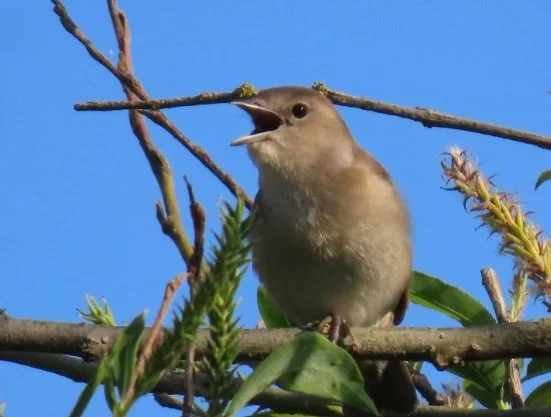
Garden Warbler
Second Two Weeks of April
The call of the Cuckoo is heard less frequently now than in the past but Stocker’s Lake is still one of the more reliable sites in our area to hear one. Most years will see one or two pass through and they occasionally stay to breed, raiding Reed Warbler nests in the process. Depending on water levels on the flood at Stocker’s Farm, migrant waders may put in an appearance. It’s hard to predict which species might occur, but recent years have produced Ruff, Black-tailed Godwit and Redshank all stopping over here. It’s also a good place to look out for the bright yellow Yellow Wagtail, another bird which will move on to nest further north.
Bird numbers will continue to increase every day and new songs to be heard during April include those of two close relatives of the Blackcap. Garden Warblers are very plain-looking birds but make up for it with a song that is even richer and more complex than the Blackcap’s. Whitethroats have a strong preference for hedgerows and deliver their rather angry-sounding song from hawthorn bushes or in a jerky song-flight.
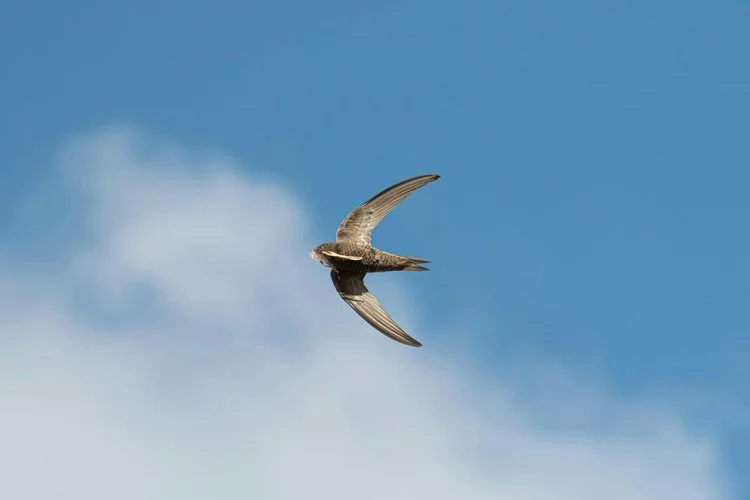
The last few days of April see the return of one of our most charismatic birds, the Swift. They really don’t look very much like Swallows but with their forked tails, associations with summer days and names beginning with ‘sw’, it seems that they occupy similar areas of our brains and are often confused.
Swift
First Two Weeks of May
After the rapid changes through April, things settle down again in May. The main arrival of Swifts is usually in the first week of the month. Cool days with a northerly or easterly breeze often slow down their progress northwards and they can often be seen in large numbers over water. Similar conditions may also produce some scarcer water birds passing through our area, including Arctic and Black Terns.
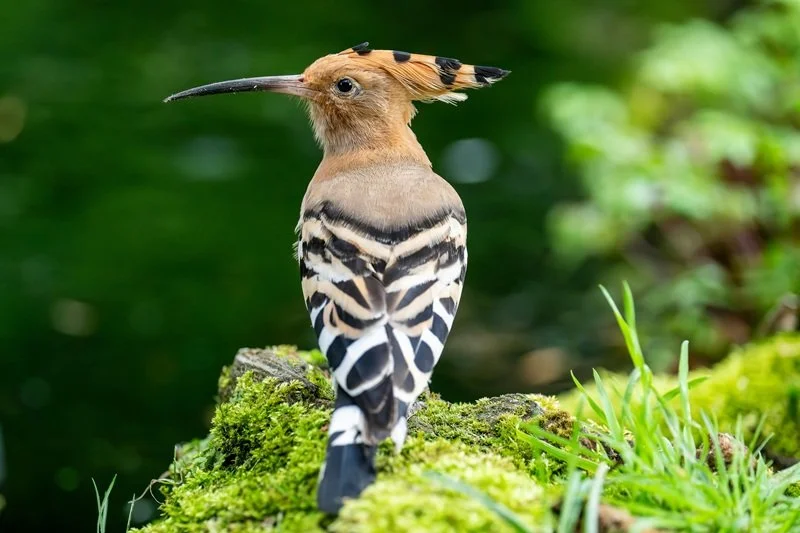
Early May is a good time to look out for unusual or unexpected migrant birds. Redstarts, Pied Flycatchers and Wood Warblers all occasionally pay us a visit as they pass through, especially when conditions slow their progress northwards. There’s even a chance of something really exotic reaching our region. My prediction for this year is a Hoopoe in the cattle-grazed fields north of Stocker’s Lake. It’s never happened in all the years I’ve lived here but this will be the year.
Hoopoe
Try the Merlin App
Try using the Merlin App if you want to learn to identify birds by their songs.
Chiffchaff
Please Share Your Sightings!
We’d love to see what birds you spot around Three Rivers this winter. Send your photos to hello@sustainablethreerivers.org—we’ll share the best ones on our website and social media.
This article was written by Stephen Younger, long-term local birdwatcher and author.
All photo credits - the author. Except Swift - Mahmoud Yahyaoui Hoopoe - Adriaan Westra