

A Beginner’s Guide to Cruelty-Free and Clean Beauty
If you’ve ever tried to “clean up” your beauty routine and felt instantly overwhelmed, you’re not alone. With endless ingredients lists, seeking sustainable beauty can quickly feel confusing. The good news? Making more sustainable choices with beauty and personal care products is about progress not perfection. Small, thoughtful steps taken over time can significantly reduce harm to animals, people and planet.
Why Clean Beauty Is a Sustainability Issue
Beauty and personal care products sit at the intersection of human health, environmental impact and ethics. Many conventional products contain ingredients that:
Persist in waterways and harm aquatic life
Contribute to plastic waste and pollution
Are linked to skin irritation or potential long-term health concerns
Rely on animal testing during development
Choosing cleaner, more ethical beauty products helps reduce these impacts. It supports brands that prioritise transparency, safer ingredients and responsible sourcing – key pillars of sustainability.
Step One: Start With Cruelty-Free Beauty
Unsure where to begin? Cruelty-free is the easiest and most accessible first step. Cruelty-free means a brand does not test its products and ingredients on animals, at any stage of development. This matters because animal testing is still legally required for cosmetics in some parts of the world and many global brands continue testing to access certain markets.
Starting with cruelty-free:
· Immediately aligns your routine with ethical values
· Narrows down the number of brands you’re choosing from
· Makes later ingredient-based decisions far less overwhelming
Think of it as creating a baseline: first no animal testing, then cleaner ingredients.
How to Identify Cruelty-Free Brands
Rather than relying on brand claims alone, look for independent verification. These organisations do the investigative work, so consumers don’t have to.
Cruelty Free Kitty – A widely respected, research-based database (international, but very useful in the UK). http://crueltyfreekitty.com
Leaping Bunny – The gold standard for cruelty-free certification, run by Cruelty Free International. http://www.leapingbunny.org
PETA UK Beauty Without Bunnies – A large, accessible database (best used alongside others) http://www.peta.org.uk/blog/tag/beauty-without-bunnies

Step Two: Focus on Products You Use Every Day
Start with the products you use most often. Daily-use items tend to have the biggest cumulative impact:
· Shampoo and conditioner
· Body wash or soap
· Deodorant
· Facial moisturiser
You don’t need to replace everything at once. Simply switch to cleaner options as products run out - this avoids waste and keeps the process manageable.
Step Three: Learn to Spot a Few Key Ingredients to Avoid
Phthalates
· Often hidden under the term “fragrance” or “parfum”
· Used to make scents last longer
· Associated with hormone disruption and environmental persistence
SLS / SLES (Sodium Lauryl Sulphate / Sodium Laureth Sulphate)
· Common in shampoos, body washes and toothpaste
· Can be harsh and irritating, especially for sensitive skin
· Easily replaced with gentler alternatives like coconut derivatives
Parabens
· Preservatives such as methylparaben and propylparaben
· Mimic oestrogen in the body
· Increasingly unnecessary as safer preservation methods exist
Synthetic Fragrance
· A blanket term that can represent dozens of undisclosed chemicals
· A common cause of skin irritation and allergic reactions
Step Four: Support Local and Independent Eco Beauty Businesses
Another step is choosing to buy from local and independent eco-conscious businesses where possible. Local beauty brands and retailers often:
· Produce in smaller batches with greater ingredient transparency
· Source ingredients more responsibly
· Use less packaging or offer refill options
· Avoid unnecessary long-distance shipping
· Reinvest in local communities and green jobs
If you’re unsure where to start, look for:
· Independent refill shops
· Local zero-waste stores
· UK-based online retailers specialising in ethical and cruelty-free beauty
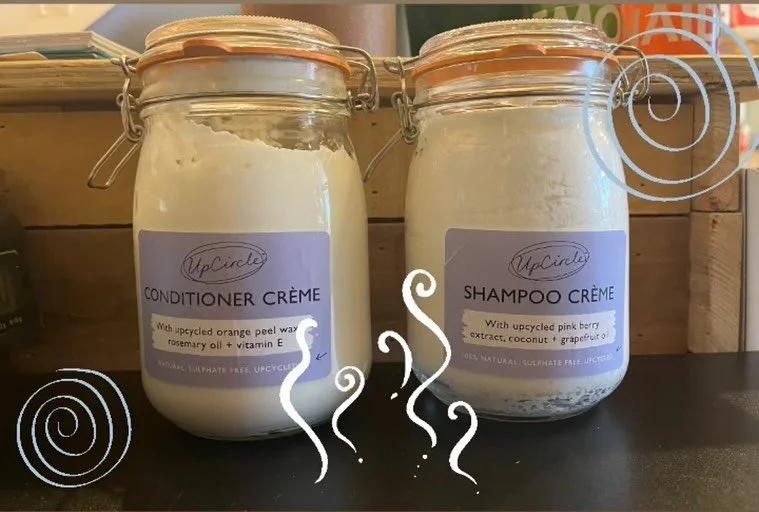
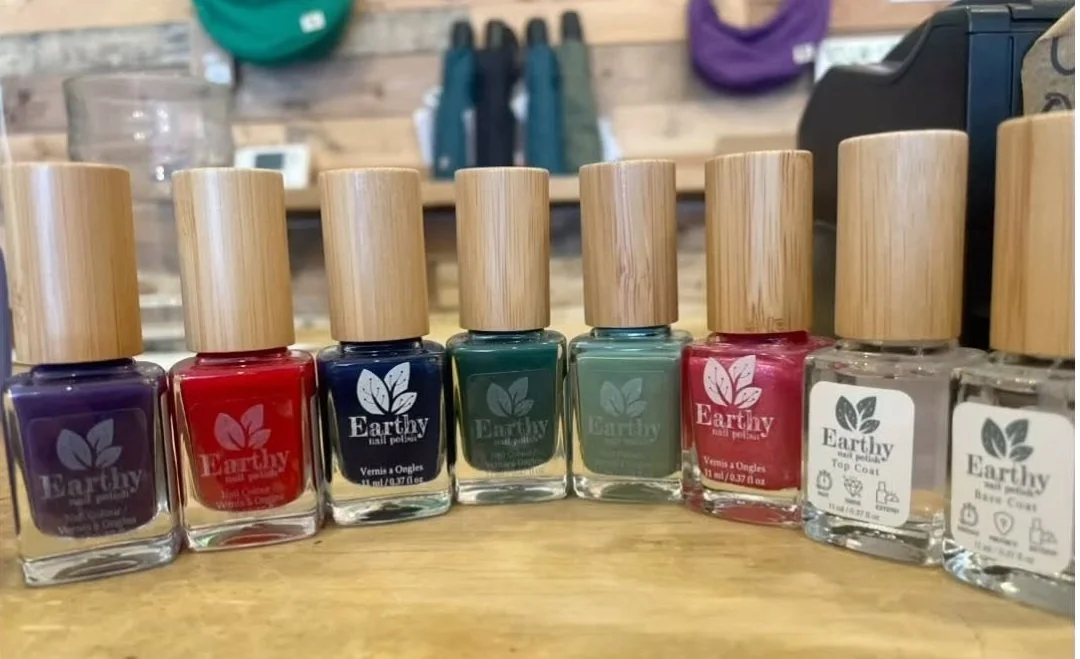
These images are from The Green Stores in Croxley Green. Our local Three Rivers Zero Waste store which stocks a wide range of sustainable beauty and personal care products. The brands they stock include Up Circle, Miniml, Earthy Nails and Sunly (mineral sunscreen).
Final Thoughts: Small Steps, Real Impact
Cleaner, more sustainable beauty isn’t about throwing everything away or living by rigid rules. It’s about curiosity, compassion and making choices that align with your values - one product at a time.
Starting with cruelty-free brands creates a strong ethical foundation. From there, gradually choosing cleaner ingredients helps protect your health and reduce environmental harm. Together, these small steps create meaningful change for animals, the environment and personal health.