The Environmental Risks of Flea Treatments
Regular spot-on flea treatments are convenient, but many scientists, including Professor Dave Goulson of the University of Sussex, are increasingly concerned about what happens to their active ingredients as they enter our environment. They warn that routine, preventative flea and tick treatments are causing widespread contamination that damages waterways, wildlife and vital ecosystems.
A brief history of flea treatments
Fleas have been uninvited guests in our homes since we first domesticated our pets. Keeping these little parasites under control was time-consuming and a little hit-and-miss for our pet-owning forebears, relying on rigorous combing or application of natural repellants such as herbal washes or oils.
Advances in chemical insecticides during the twentieth century saw the introduction of rather heavy-handed dusts, shampoos and powders. Then, in the 1990s, a game-changed arrived in the form of ‘spot’ treatments applied to the back of a pet’s neck. These are now considered by many as routine and straightforward, and many vets offer a monthly preventative course of flea treatments as a regular way of maintaining a pet’s health.
How flea treatments work
Fipronil and imidacloprid are both highly-effective active ingredients which gradually spread across your pet’s skin and coat after initial application. They attack fleas’ nervous systems causing rapid death and can also stop flea eggs and larvae from maturing. In terms of convenience and efficacy, they have revolutionised control of fleas in pets over the past thirty years.
Why we need to think twice
Flea treatments are incredibly toxic to more than just fleas. One monthly treatment for a medium-sized dog contains enough pesticide to kill around 60 million bees. Usage of both fipronil and imidacloprid have been banned in agriculture but there is an ongoing assumption that targeted application on pets has a more limited impact on our environment.
Unfortunately, these pesticides are very persistent and find their ways into the wider environment in a number of ways.
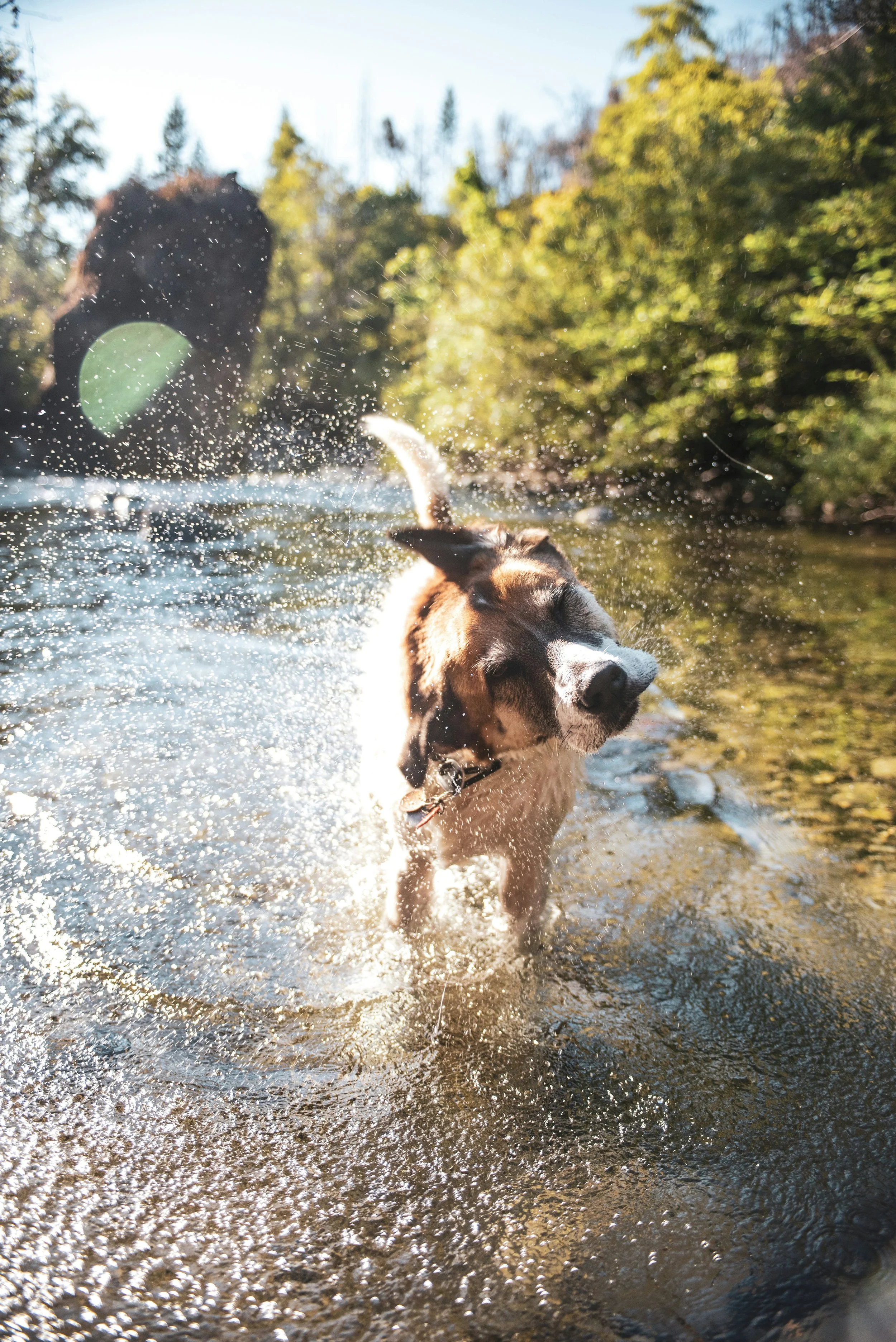
The most obvious example is waterways, not only from treated dogs playing in rivers or lakes but also from pet owners washing their hands. Studies have shown that pet owners can have traces of these toxic pesticides on their hands for up to 28 days after treatment.
Levels of fipronil and imidacloprid exceed established safety thresholds in the vast majority of English rivers, and this is especially so in areas downstream from water treatment works. The lifecycles of countless insects, fish and aquatic invertebrates are disrupted, which in turn affects other species which depend on these insects for food.
Perhaps less expected is the presence of these toxins in the nests of garden birds. This is thought to be a result of nests being lined with discarded fur from pets, and a recent survey detected the two main ingredients in all nests that were tested.
What we can do instead
There are no indications that flea treatments will be banned in the near future, so for the time being, any steps towards minimising their impact need to be based on a more balanced and considered approach to their usage.
A move away from routine, monthly application of spot-on treatment irrespective of the presence or otherwise of fleas would certainly be a good start. Pet owners should test for fleas before applying treatment, and consider preventing dogs from swimming for a few days immediately afterwards.
Are tablets better?
On the whole, tablets and chews are a better flea treatment option for the environment. They work from inside the blood stream, so there is no residue on owners’ hands, sofas or pet bedding. They keep neurotoxic chemicals out of waste water via washing, but of course they are not entirely without risk as traces can still reach the environment via urine and faeces.
Other options to consider
Always consult your vet about the right plan for your pet
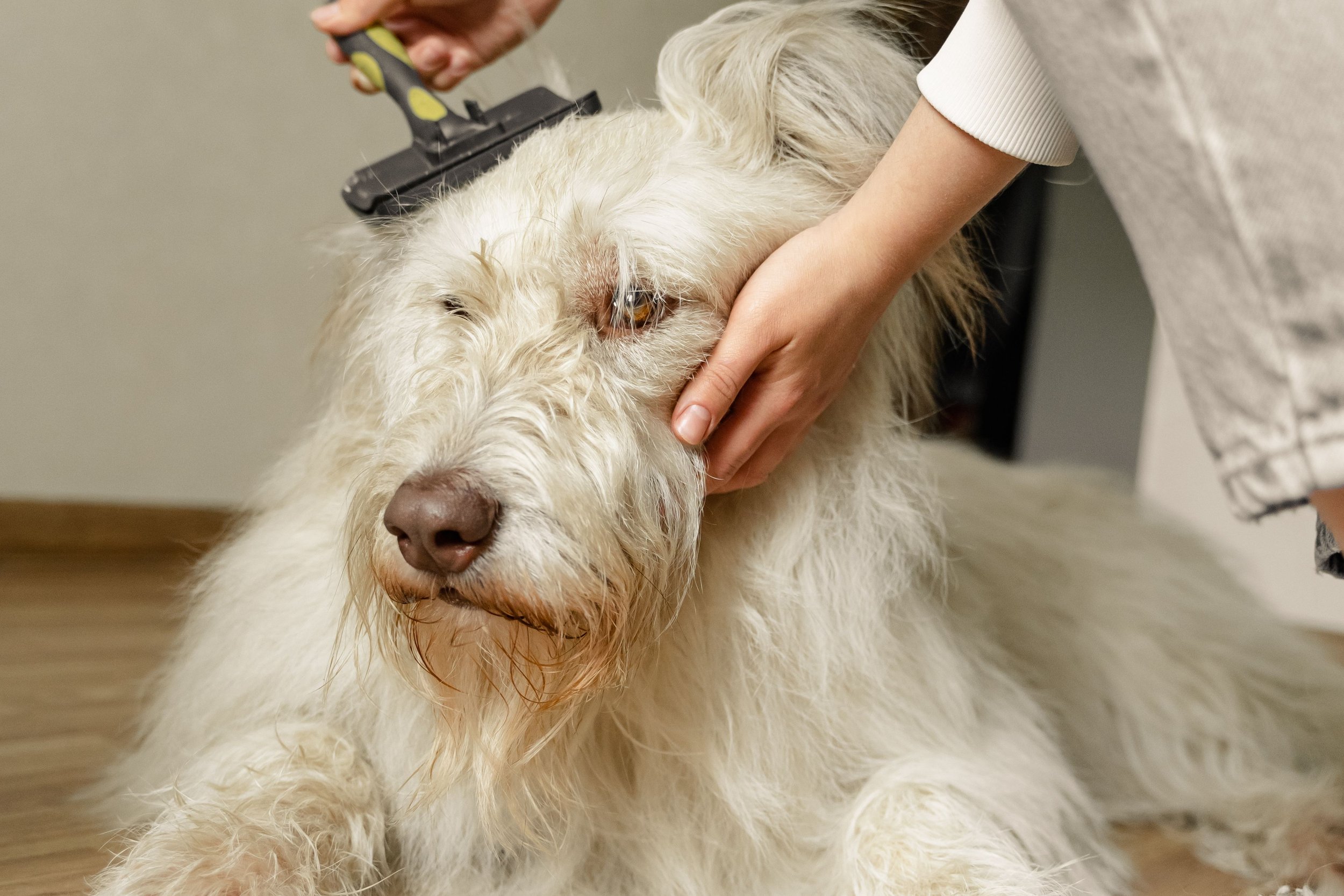
Check your pet before applying any treatment - the British Veterinary Association recommends a tailored, risk- based approach to flea treatment and monitoring first. Comb your pet regularly over a damp white paper towel to check for evidence of fleas.
Tackle flea eggs in the home with strict hygiene - 95% of a flea population actually lives in the home rather than on your pet. Wash bedding weekly on 60 degrees and vacuum thoroughly.
Injections for cats - cat owners can ask their vet about a six-monthly injection containing lufenuron, which is an insect growth regulator, rather than a neurotoxin. It sterilises flea eggs to break their lifecycle.
Short-term treatments for active infestations - if your pet does have fleas, ask your vet about fast-acting tablets such as Capstar (nitenpyram), which can control and outbreak quickly without leaving a long-lasting shield.
An important note about natural flea remedies
Many home remedies for fleas such as garlic, tea tree or lavender oil are toxic to pets. Always stick to vet-approved flea treatments and talk to your vet about the right option for your pet’s lifestyle, especially if they enjoy swimming in local waterways.