

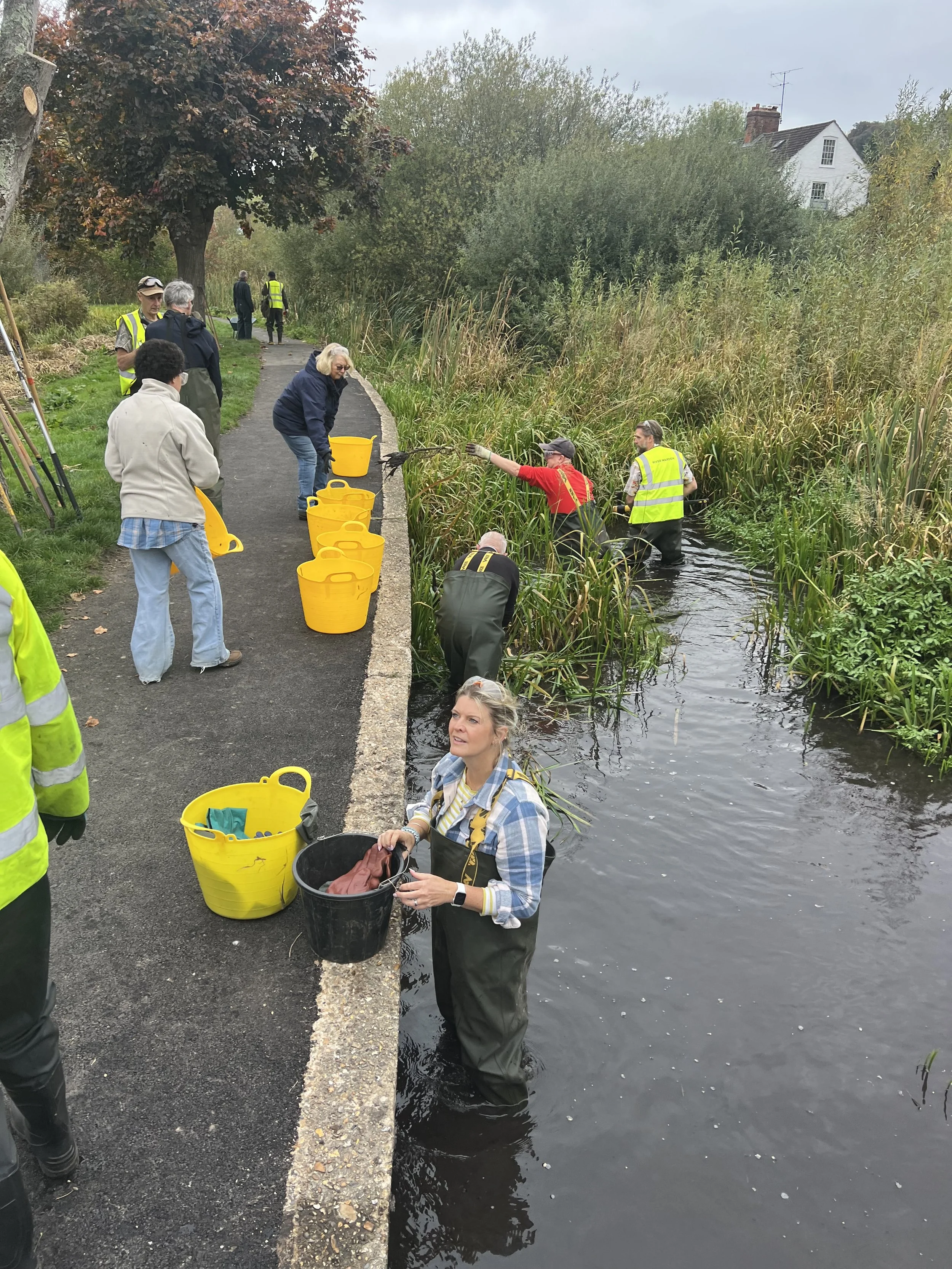
Volunteers in Chesham
An Opportunity to Volunteer on Flagship Local Projects
The River Chess is one of the three rivers that give our local district its name. It's also one of very few chalk stream habitats in the world, home to many unique species – something for us all to be proud of. The Chess attracts the attention of scientists and conservationists from all over the country and now local group The River Chess Association is calling out for more residents to help monitor wildlife and oversee the health of the river.
The Chess rises in Chesham and runs through the Chess Valley to Rickmansworth, where it meets the Colne river and eventually the Thames. As well as being a popular destination for scenic walks and summer picnics, the river is home to lots of important wildlife – water voles, brown trout, otters, kingfishers, green sandpipers and stream water crowfoot.
Threats to the River Chess
Sadly, in recent decades, the Chess has faced many threats, including well-publicised sewage discharges from the Chesham Sewage Treatment Works, as well as crop and urban runoff, invasive species and low water levels caused by too much abstraction – taking water out to feed the local water supply.
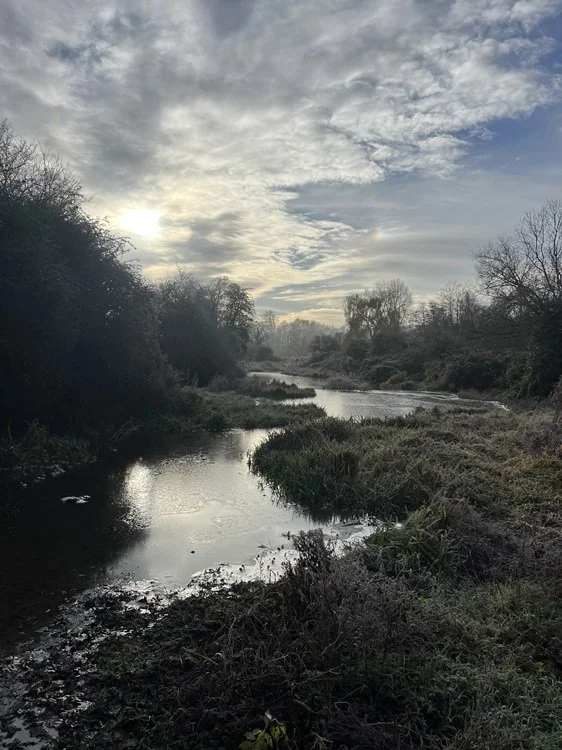
The River Chess at Sarratt
The Vital Role of the River Chess Association
Local group The River Chess Association was set up in 2009 and works with partners Chiltern National Landscape, Chiltern Chalk Stream Project and the Chiltern Society to better understand and protect the river. It has managed to attract the interest of a number of university research teams, as well as successfully lobbying corporate organisations. According to River Chess Association Chair, Paul Jennings, recent projects have resulted in sewage treatment capacity increasing by 47% and reduced phosphorus and ammonia levels in the river water, which is critical for wildlife.
“The partnership has been building strong relationships with farmers and introducing them to catchment-sensitive farming techniques. And we’ve seen a significant reduction in water abstraction which helps to increase river flow – one of the most important elements in any chalk stream ecosystem,” says Jennings. The group also runs education programmes in local schools, like Trout in the Classroom, to raise awareness of river wildlife and its ecosystems.
“The Chess is actually one of the most studied water bodies in the UK and our data forms the foundation for groundbreaking research,” says Jennings. “We have a vibrant group of volunteers and citizen scientists and we’d like to grow that network, especially in Rickmansworth, Chorleywood and Croxley Green. So if you’re interested in a couple of hours a month of volunteering work, please contact us. We provide equipment and training that will help you better understand the fascinating world of Chalk Streams!”
How You Can Help
There are currently three projects that local volunteers can join:
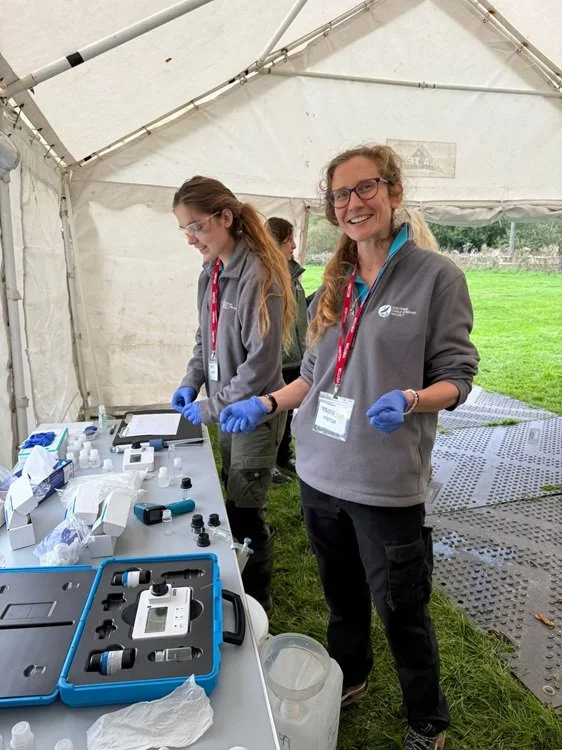
● Riverfly Monitoring in pairs, which involves an hour of river wading each month. Data gathered shows long term trends of rivers health and helps scientists design ways to improve the ecosystem. Some lucky volunteers get to be the first person to record a species for the county.
● Flow Monitoring in pairs, which involves using flow gauging equipment in the river for an hour each month. Data collected is used to improve river flow and understand the impact of floods and droughts.
● River Wardens, who walk stretches of the river looking for issues like footpath access, blockages in the river, pollution events or fly tipping. These problems are dealt with by River Chess Association working parties and partner organisations. River wardens can choose to go out daily or just once a month and can make a big impact to river wildlife and its habitats.
Find Out More & Sign Up
Find more information about these projects and opportunities to volunteer click this link:
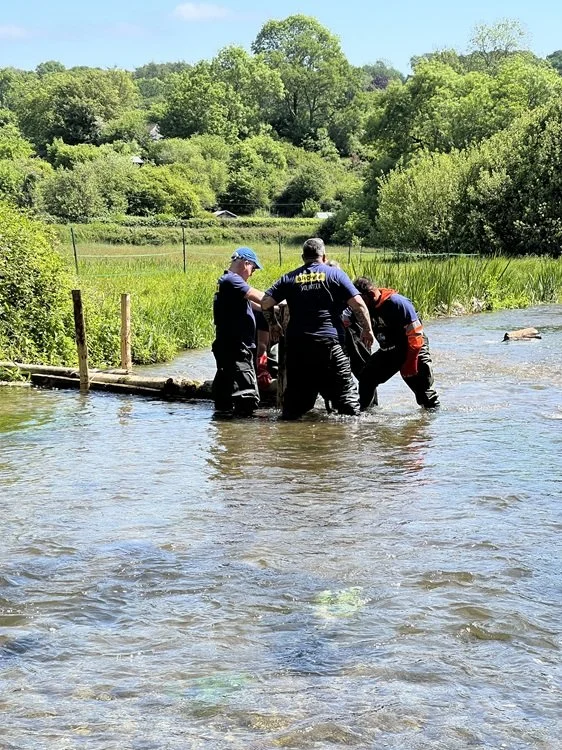
Corporate volunteering days